Emergency Plumbing · Watford, Hertfordshire
Radiator Repair & Installation in Watford
A radiator that stays cold on a November evening takes the whole room with it. [Rapid Plumber Watford](/) answers on 07360 270663 at every hour and hands the job to the independently owned partner company that can reach you soonest, with its name sent by text before it arrives. Cassiobury, North Watford, West Watford, Holywell and Leggatts are all on the patch.
Published London and South East guidance puts bleeding a radiator at about £80 to £150, replacing one like-for-like at £200 to £400 for a double panel, £150 to £300 for a single panel and £250 to £600 for a column radiator, and a power flush at roughly £500 to £600. Those are published ranges, not our quotes; the partner company writes down its own price before it starts.
Most cold radiators come down to air, sludge or a stuck valve. Air collects at the top and a bleed key solves it. Sludge, a black deposit of rust and scale, settles at the bottom and leaves cold patches low down, which a flush to BS 7593 clears. A stuck thermostatic valve pin stops water entering at all.
Watford's very hard water, 351 mg/l across most of WD18, adds scale to the picture, and the older the system, the more of it lines the boiler and the pipes. Cassiobury's interwar semis and North Watford's Victorian terraces have both had their heating converted more than once, so mixed pipework and old radiators are common.
If the boiler itself has gone out, boiler repair is the page that applies, and a leak that is soaking the floor needs emergency plumbing right away.
24-hour line · Open 24 Hours
Call now07360 270663Speak to a real person straight away. Or request a free quote
What We Do
Radiator Problems We Arrange Repairs For
From a quick bleed to a full system flush.
Cold Spots, Air and Sludge
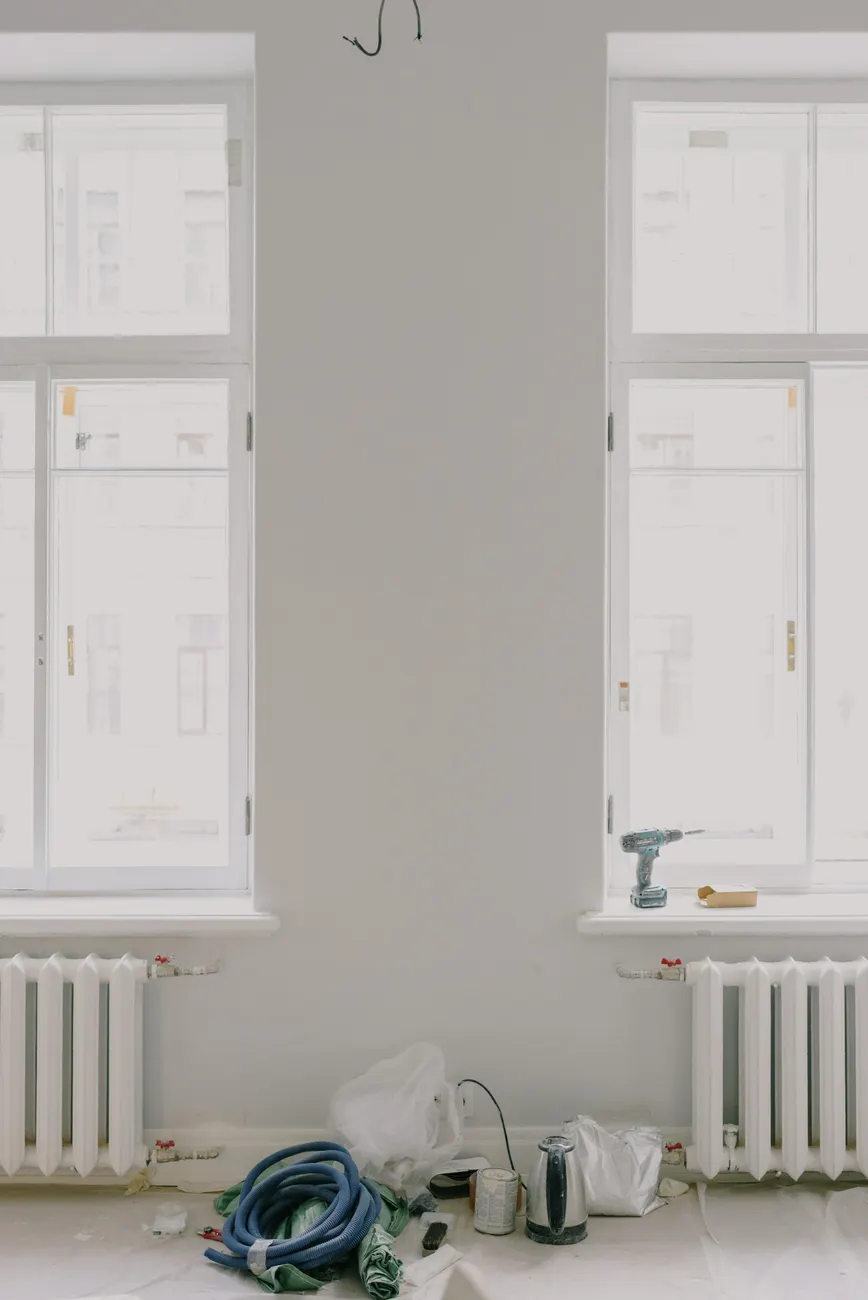
A radiator that is cold at the top needs bleeding; one that is cold at the bottom has sludge. A single radiator can be removed and flushed, while several cold ones point to a system-wide clean to BS 7593 with inhibitor added afterwards.
Leaks, Valves and Pipework
A weeping valve gland, a corroded radiator seam or a leaking joint under the floor are different jobs. The partner company repairs the valve where it can, replaces the radiator where the metal has rusted through and checks the pipe run before closing up.
New and Replacement Radiators
A like-for-like swap is straightforward, and the output in watts is matched to the room. Adding a radiator to a loft conversion or a rear extension needs the system's capacity checked first, because an undersized boiler will not cope.
The Benefits
How a Radiator Job Runs
A clear order of work.
Test the Whole Circuit
The partner company checks which radiators are hot, which are cold and where, and tests the pump and pressure. That tells it whether to bleed, flush or replace.
Quote What Is Needed
The price is written down before the system is drained or a radiator is lifted off the wall. Nothing goes beyond what you approve.
Refill, Balance and Protect
After the work, the system is refilled, vented and balanced so that radiators heat evenly. Inhibitor is added to slow the return of sludge, to the maker's guidance.
Good to Know
Radiator Faults and First Steps
A little checking narrows it down.
What Your Radiator Is Telling You
The pattern of heat points to the cause.
- Cold at the top, warm at the bottom: trapped air, so bleed it
- Cold at the bottom, hot at the top: sludge settled low down
- Cold all over while others are hot: stuck valve or closed lockshield
- Black water when bled: sludge in the system
- Damp or rust at the valve or seam: leak developing
Things to Try Safely
These need no tools beyond a bleed key and a towel.
- Turn the heating off and let the radiators cool first
- Bleed from the top radiator down, catching drips in a cloth
- Check the boiler pressure afterwards and top up if low
- Confirm the thermostatic valve is not stuck on its lowest setting
- Do not drain the system yourself without help
Why Us
Radiators Across Watford's Homes
Stock, age and layout vary by street.
Cassiobury Park Avenue Houses
Some houses on Cassiobury Park Avenue are on the council's Article 4 direction list, and one dates from 1910, so the partner company takes care with period features, floors and pipe routes when it lifts a radiator.
North Watford Terraces
Red-brick terraces near St Albans Road have had loft and rear-kitchen extensions bolted on, each adding radiators at the end of a long run. Those end radiators are usually the first to go cold.
West Watford Terraces
In the Zone S streets by Vicarage Road, old cast-iron and early copper pipes are common. A partner company that arranges a visitor permit in advance can spend its time on the system, not on the parking.
For a heating system that has stopped, see boiler repair and boiler servicing. A leak that has reached the floor is an emergency plumbing job, and hot water issues in the bathroom are on the shower repair page. Every service is listed together, with local pages for West Watford, Cassiobury and North Watford.
What Is Radiator Repair and Installation?
Radiator repair covers the work of bringing a radiator back to full heat or replacing it: bleeding, flushing, valve repair, pipework repair, and fitting new panel or column radiators. Installation adds a new radiator to an existing system, which depends on the boiler's capacity and the pipe route.
Boiler efficiency falls under Building Regulations Part L, and system cleansing follows BS 7593. Fittings and water connections must follow the Water Supply (Water Fittings) Regulations 1999, and the maker's instructions apply to every radiator and valve.
What Affects the Price of Radiator Work
Bleed, Flush or Replace
Bleeding is the cheapest fix; replacing or flushing costs more. The published figures above show how far apart those options sit.
Size and Access
A large column radiator costs more than a small single panel. Awkward pipework, fitted carpets and a full drain-down all add time.
After the Radiator Work
The system is refilled, vented and balanced so every radiator warms. You are told what was done and how to keep it that way, and the invoice is the partner company's own.
Radiator Types and Sizing
Panel Radiators
Single and double panels are the usual replacement. Output is measured in watts or BTU, and a like-for-like swap keeps the same output so the room heats as before. Double panels give more heat from the same wall space.
Column and Designer Radiators
Traditional column radiators suit period rooms, and they cost more to buy and fit. Their weight needs sound wall fixings, and the partner company checks the wall before it lifts the old unit off.
Thermostatic Valves, Lockshields and Balancing
Why One Radiator Is Hot and the Next Is Not
The valve on one end of a radiator controls the temperature and the lockshield on the other end sets how much water passes through. If the lockshield on the first radiator is open too far, the others at the end of the line starve. Balancing the system sets each lockshield so the heat spreads evenly.
Sticking Valve Pins
A thermostatic valve pin can seize in summer when the heating is off. Freeing it is a small job, but replacing the valve head or body is more reliable when the stem is corroded.
Sludge, Inhibitor and System Protection
Black sludge forms when iron oxide and scale circulate through the system, settling in the radiators and wearing the pump. After a flush, adding inhibitor and fitting a magnetic filter to the boiler return helps collect what remains, which keeps the radiators working for longer.
Frequently Asked Questions
How much does radiator repair cost in Watford?
Published London and South East guidance puts bleeding at about £80 to £150, a like-for-like double-panel replacement at £200 to £400 and a power flush at roughly £500 to £600. These are published ranges, not our quotes, and no Watford-specific radiator price has been verified. The partner company confirms its own price in writing before starting.
Why is my radiator cold at the bottom?
A radiator that is hot at the top and cold at the bottom normally has sludge, a mix of rust and scale, settled in its lower section. Watford's very hard water adds scale to that deposit. Removing and flushing the radiator, or cleansing the system to BS 7593, usually restores the heat. Expect the partner company to explain which radiators are affected before it suggests anything bigger than a single flush.
Why is my radiator cold at the top?
That points to trapped air, which collects at the top and stops hot water filling the panel. Bleeding the radiator with a key releases the air. Afterwards, check the boiler pressure and top it up if it has dropped. If the radiator is still cold at the top after bleeding, that points to a stuck valve or a circulation problem, and the partner company will look further.
What is a power flush and do I need one?
A power flush circulates cleansing water through the heating system at speed to dislodge sludge and rust, to BS 7593. Published guidance puts it at roughly £500 to £600, though complexity changes that. You need one when several radiators are cold at the bottom, bled water runs black or the boiler keeps overheating. Ask the partner company to explain why a flush is needed before agreeing, so you know what the price covers and what changes afterwards.
Can you replace a radiator like for like?
Yes. The partner company matches the size, output and pipe centres, drains down only the circuit it needs and refills and vents afterwards. Published London figures run from about £150 for a single panel to £600 for a column radiator. You see the price in writing before the radiator comes off the wall, and the old unit is taken away if you wish.
Can you add a radiator to a loft conversion or extension?
Often, but the heat load is checked first. A boiler sized for the original house may struggle with an extra room, and longer pipe runs lose heat. The partner company tells you honestly whether the system can take another radiator. A radiator added to a cold extension that never had heating is a bigger job than swapping one in an existing room, so the quote reflects the pipework.
Why does my radiator leak at the valve?
A weeping valve is usually a worn gland packing or an old olive. Tightening the gland nut a small amount can stop it, though a corroded valve is better replaced. If the leak is at the radiator seam, the radiator itself is the problem. Whichever applies, the partner company explains it in plain terms and gives a written price before touching anything.
Is it safe to bleed a radiator myself?
Yes, with a radiator key, a cloth and the heating off. Open the valve slowly until water appears, close it, and check the boiler pressure afterwards. If black water pours out or the pressure keeps falling, stop and call us. Keep a towel under the key, because the first spit of water from an old system can stain carpets and paint.
Do radiators lose heat to scale in hard water?
Scale mainly builds in the boiler and pipework, while sludge settles in radiators. Both reduce efficiency. With water as hard as Watford's, inhibitor added after a flush slows the process down. The practical answer is a flush where there is sludge, inhibitor afterwards, and an annual boiler service to keep the heat exchanger clear and the pump turning freely.
Can you work out of hours on a heating fault?
The line is answered at every hour, and we ask the nearest partner company whether it can attend. We cannot promise an arrival time. A radiator that is leaking heavily should be isolated and treated as urgent. Close the valves at both ends of a leaking radiator to slow it, put a bowl underneath, and ring the line so the nearest partner company can be asked.
Do I need to be in during the visit?
Yes, someone should be there to give access and approve the quote. The partner company's name is texted to you before anyone arrives. Furniture near the radiators should be moved to give room for the work. Someone also needs to approve the written quote before the work starts, because we never agree extra work on your behalf.
What if the radiator plays up again?
Ring us on 07360 270663 and we take it up with the partner company that did the work. The number stays with the job, so you do not need to find another contact. Any further work is quoted in writing. If the cold spots return after a flush, that is worth reporting promptly so the partner company can check the inhibitor level and the pump.